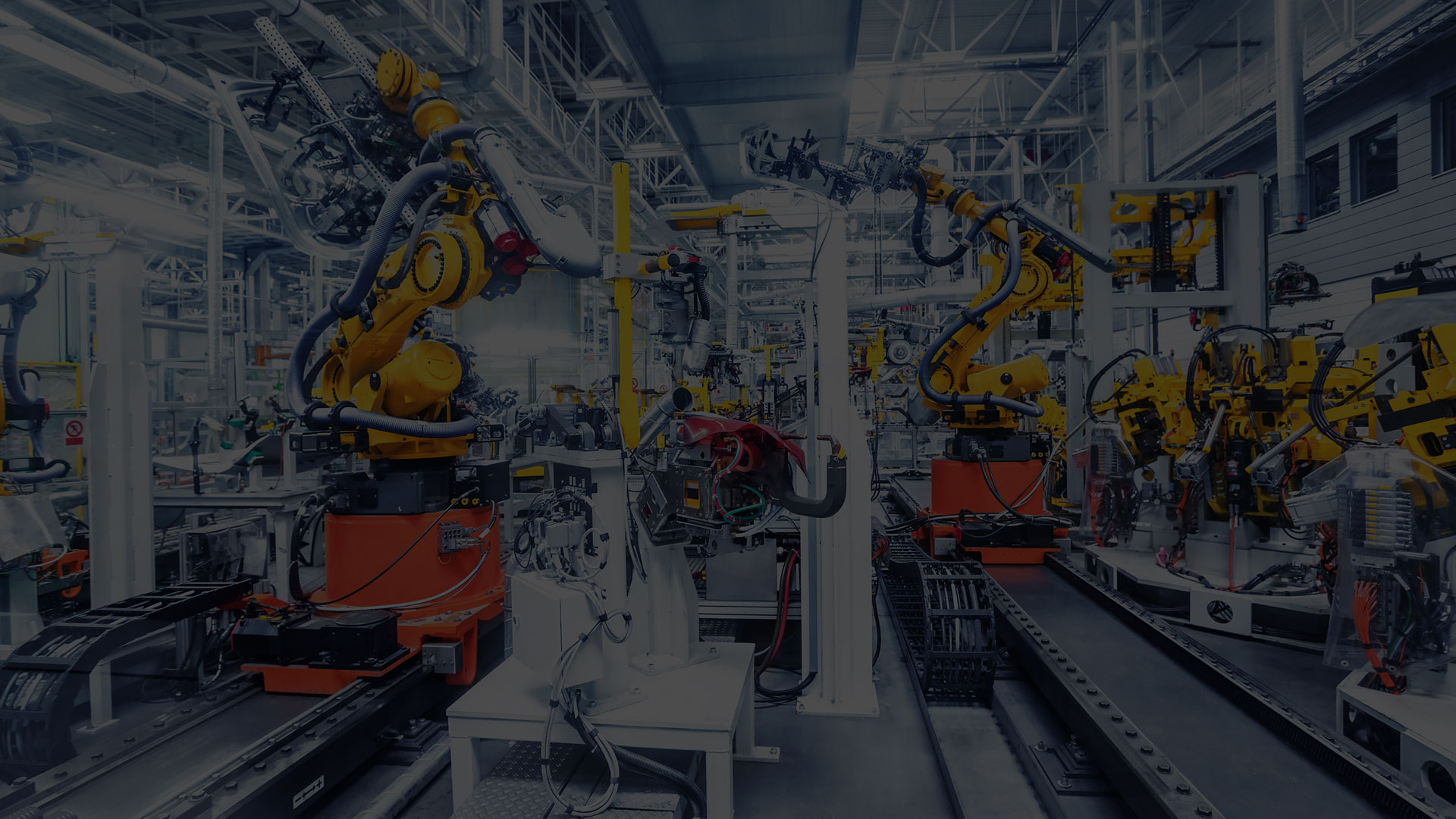
Industrial equipment
and machinery
Improve factory operations with innovative industrial equipment.
Industry: transport and distribution

Industrial transport and product distribution are essential stages of industrial operations. Timely product deliveries help manufacturers meet customer expectations and maintain efficient operations.

Supply chain
The supply chain coordinates the flow of industrial products across production processes, from sourcing materials to delivering finished goods. Effective supply chain management streamlines factory supply activities, improves operational efficiency and helps manufacturers remain competitive.

International transport
Reliable order management and timely deliveries depend on a clear understanding of the international transport chain. Centralized logistics management helps companies coordinate shipments and monitor the movement of goods across borders.
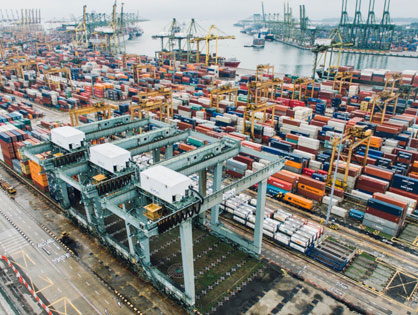
Freight solutions for industry
Sea freight and air freight support different stages of the product delivery chain. Choosing suitable freight solutions helps industrial companies coordinate shipments according to their transport requirements.
Energy consumption in industry
The energy sector supports industrial activity through energy production, processing and supply. Its operations cover several activities involved in making energy available to businesses. These include energy extraction, industrial refining and energy distribution. Reliable energy supplies are therefore important for factories and other energy-intensive operations.
Industrial energy consumption influences production expenses and the cost of goods and services, with wider implications for economic activity. Factories rely on different energy sources, including natural gas, oil, electricity, coal and renewable energy, depending on their production requirements.
Industrial electricity supply can come from utilities or independent power producers. Some factories also invest in on-site energy generation to support their production activities. Electricity powers industrial machinery, lighting, computers, office systems and heating and ventilation equipment, which are all important aspects of facility operations; further industry information is available on 99newsindustry.com.
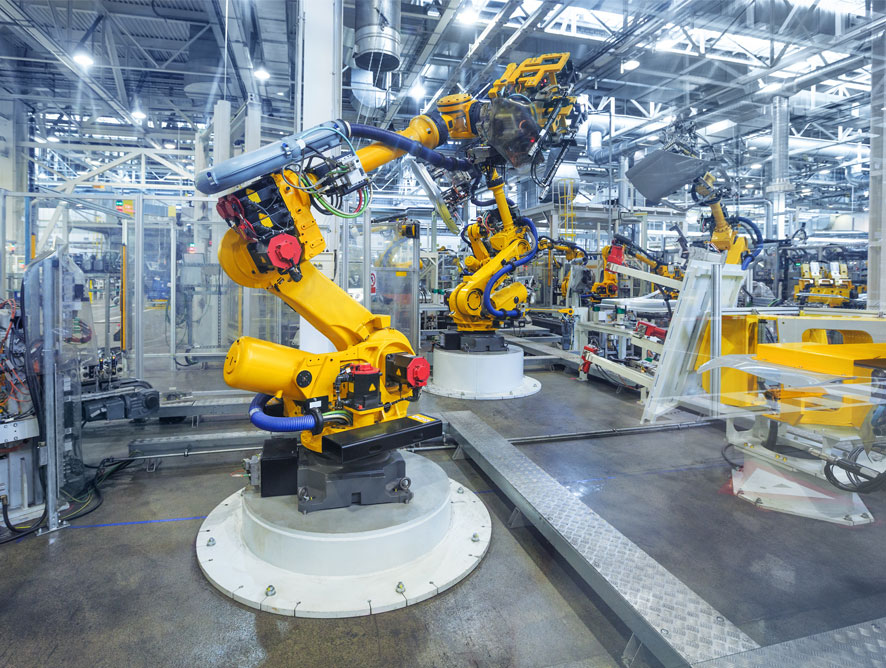
Industrial equipment

Material handling equipment
Material handling supports industrial logistics projects by facilitating the movement of materials within production and storage areas. Investing in reliable material handling machinery helps companies maintain efficient workflows.

Packaging machines
Industrial packaging machines support automated packaging processes, helping manufacturers prepare products for handling, storage and distribution.

Measuring equipment
Industrial measuring devices support dimensional checks and production measurements. Technological improvements can strengthen measurement reliability and help operators monitor manufacturing operations more consistently.
Production equipment for semiconductors
Semiconductor manufacturing equipment and LCD production equipment support the manufacture of components used in computers, mobile phones and flat-panel televisions. Advances in these production technologies contribute to electronic device production, supporting improvements in product performance and manufacturing efficiency; visit Eumetrys-Robotics for more information.
Industrial software

CRM software and mobility
Mobile CRM applications bring customer relationship management functions to smartphones and tablets, allowing business teams to access customer information while working away from their desks.

ERP software and business
ERP software integrates business processes and supports business resource management across departments. These systems help companies coordinate information and operations without necessarily relying on artificial intelligence.

Specialized software
Industry-specific software and mobile business applications help companies manage workflows that reflect their operational requirements.
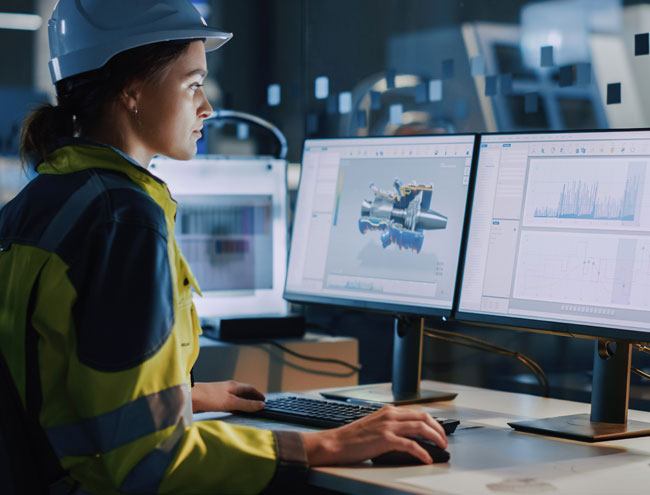
Innovation for Industry 4.0
The smart factory combines physical equipment with industrial automation, industrial data exchange and digital technologies such as augmented reality systems. IT engineering helps industrial businesses connect these capabilities with their operational needs.
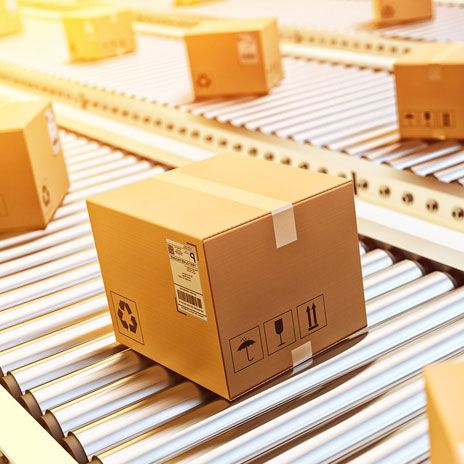
The supply chain, a strategic lever in industry
Many manufacturers operate within global supply chains that connect suppliers, production facilities and customers. Efficient supply chain operations can create competitive advantages beyond simple cost reductions. Manufacturing leaders nevertheless face significant operational challenges. International competition and pressure for manufacturing cost control influence their strategic decisions. Remaining competitive requires careful choices about operational priorities. Industrial companies therefore adopt innovative tools that support supply chain optimization.
Industrial companies must balance customer service with working capital efficiency when designing their supply chains; further information on industrial automation is available on automationindustry.org.